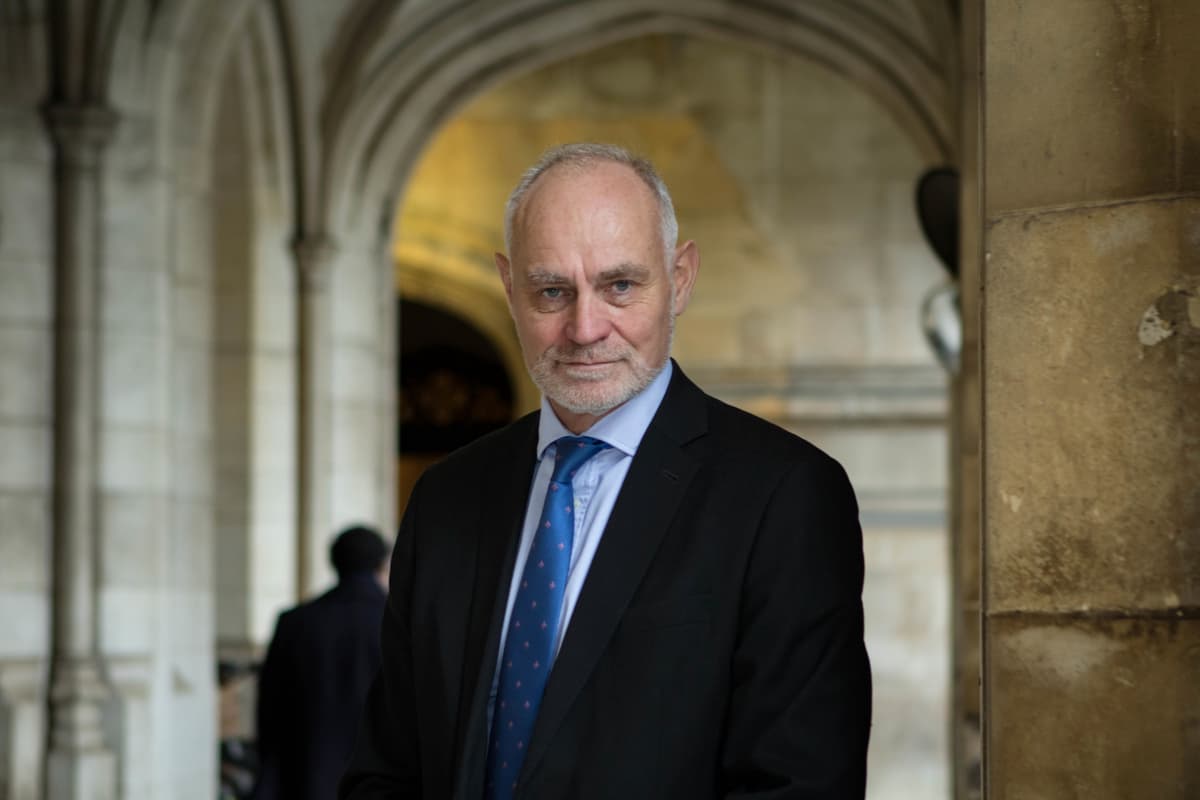
Crispin Blunt Faces Four Drug Charges: A Deep Dive into the Allegations
Crispin Blunt, the 65-year-old former Conservative Member of Parliament for Reigate, is currently facing significant legal challenges after being charged with four drug offences. These serious allegations have drawn considerable public and media attention, marking a critical moment in the career of a politician who served in Westminster for over two and a half decades. The charges, which include possession of both Class A and Class B controlled substances, stem from a police attendance at his Horley residence in October 2023, as part of a separate investigation.
The unfolding events highlight the rigorous legal processes involved when a public figure is accused of criminal activity, emphasizing the principle that no one is above the law. Mr. Blunt is set to appear at Westminster Magistrates' Court on March 25, where he will formally face the charges laid against him. This article delves into the specifics of the allegations, Mr. Blunt's political background, the legal framework governing such cases, and the broader implications for public accountability.
For more detailed information on the initial reports, you can refer to: Former Tory MP Crispin Blunt Charged with Four Drug Offences.
The Allegations: Class A and Class B Drug Offences
The Crown Prosecution Service (CPS) has confirmed that Crispin Blunt, a familiar figure in British politics, has been charged with four distinct drug offences. Specifically, these charges include one count of possessing a controlled drug of Class A and three counts of possessing controlled drugs of Class B. The Class A substance is alleged to be methamphetamine, while the Class B drugs are alleged to be GBL, cannabis, and amphetamine. These classifications are crucial in the United Kingdom's legal system, dictating the severity of potential penalties.
Understanding Drug Classifications in the UK
- Class A Drugs: These are considered the most harmful. Possession can lead to a prison sentence of up to seven years, an unlimited fine, or both. Examples include heroin, cocaine, ecstasy (MDMA), and, in this case, alleged methamphetamine.
- Class B Drugs: While less severe than Class A, these are still subject to significant penalties. Possession can result in a prison sentence of up to five years, an unlimited fine, or both. Alleged Class B drugs in Mr. Blunt's case include GBL, cannabis, and amphetamine.
The nature of these charges against an individual who once held significant public office, including a ministerial role within the Ministry of Justice, raises important questions about conduct and legal responsibility. The allegations indicate a potential breach of laws that he, in his former capacity, would have been involved in upholding or shaping.
How the Charges Arose: A Separate Investigation
The charges follow police attendance at Mr. Blunt’s home address in Horley, Surrey, on October 25, 2023. It's important to note that this initial police presence was in relation to a "separate matter," implying that the drug discoveries were made during the course of an investigation into something else. This detail underscores the comprehensive nature of police investigations, where initial inquiries can lead to unexpected findings and subsequent charges. Malcolm McHaffie, head of the CPS Special Crime Division, affirmed that prosecutors worked diligently to establish sufficient evidence and determined that it is in the public interest to pursue these criminal proceedings against Mr. Blunt.
The process of charging involves careful consideration by the CPS, who must be satisfied that there is a realistic prospect of conviction and that prosecution serves the public interest. This legal threshold ensures that cases brought to court are robust and justified, a standard that applies to all individuals, irrespective of their background or former status.
A Distinguished Political Career Now Under Scrutiny
Crispin Blunt's journey into public life began with his election as the Conservative MP for Reigate in 1997. He served his constituency for an impressive 27 years until 2024, cultivating a reputation as an articulate and often independent-minded voice within Parliament. His career saw him take on several significant roles, which now stand in stark contrast to the current drug charges.
- Parliamentary Under-Secretary of State for Prisons and Probation (2010-2012): Under David Cameron's premiership, Mr. Blunt held a key position in the Ministry of Justice. This role involved direct oversight of the very systems of law and order that he now finds himself engaging with as a defendant.
- Chair of the Commons Foreign Affairs Select Committee (2015-2017): This influential role allowed him to shape parliamentary scrutiny of the UK's foreign policy, demonstrating his standing within Westminster and his capacity for detailed analysis and leadership.
However, Mr. Blunt's political trajectory shifted dramatically in October 2023 following his arrest. The Conservative Party removed the whip, leading him to sit as an independent MP. He subsequently announced that he would not seek re-election in 2024, effectively bringing his long parliamentary career to an end amidst the swirling controversy. This sequence of events illustrates the swift and often unforgiving nature of political accountability when criminal allegations arise.
For additional context on his legal situation as an ex-minister, see: Ex-Justice Minister Crispin Blunt Faces Four Drug Allegations.
The Path Ahead: Legal Proceedings and Public Scrutiny
The upcoming appearance at Westminster Magistrates' Court on March 25 marks a significant juncture in Mr. Blunt's legal process. At this initial hearing, he will likely be asked to enter a plea. Depending on the plea and the complexity of the case, the proceedings could either be handled entirely within the Magistrates' Court or, if deemed more serious, be sent to a Crown Court for trial.
The Importance of a Fair Trial
As emphasized by the CPS, it is paramount that Crispin Blunt has the right to a fair trial. This fundamental principle of justice means that he is presumed innocent until proven guilty, and the burden of proof lies with the prosecution. The legal system ensures that all evidence is presented and scrutinized in a court of law, free from external influence or prejudice. For the public and media alike, this translates into a crucial responsibility:
- Avoid Prejudicial Commentary: It is vital to refrain from reporting, commentary, or sharing information online that could in any way prejudice the ongoing criminal proceedings. Speculation or premature judgment can undermine the integrity of the judicial process.
- Respect Due Process: Understanding and respecting the stages of the legal process, from charges to trial and verdict, is essential for maintaining confidence in the rule of law.
The case of the former mp blunt four charges carries inherent public interest due to his prominent background. Cases involving public figures, especially those who have held positions of trust and responsibility, often spark intense scrutiny. This highlights the broader societal expectation that those in public service uphold the highest standards of conduct, and that the legal system applies equally to all citizens.
Potential Outcomes and Legal Implications
Given the range of Class A and B drug charges, the potential legal implications for Crispin Blunt are significant. The penalties for drug offences in the UK can vary widely depending on the specifics of the case, including the quantity of drugs involved, the intent (possession for personal use versus intent to supply), and any previous convictions. For possession, the courts consider factors such as the type of drug and the amount.
The unfolding of this case will undoubtedly be closely watched, not only by the media and the public but also within political circles. It serves as a stark reminder of the legal consequences faced by individuals, regardless of their past status, when accused of criminal activities.
Conclusion
The charges laid against Crispin Blunt, a former Conservative MP and ex-justice minister, for four drug offences—one Class A and three Class B—represent a significant development in his post-parliamentary life. As he prepares for his appearance at Westminster Magistrates' Court on March 25, the focus remains firmly on the legal process. The Crown Prosecution Service has underscored the importance of a fair trial and the necessity for all parties to avoid any actions that could prejudice the proceedings. This case is a potent illustration of the principle of legal equality and the serious implications that drug-related charges carry within the UK's judicial system, especially for those who have previously held positions of public trust. The outcome will be keenly observed, reinforcing the accountability demanded of all citizens under the law.